A missed opportunity? Why Canada needs to craft a new strategic vision for transatlantic cooperation
By Alexander Lanoszka June 16, 2022 PDF of commentary Russia’s renewed offensive against Ukraine is arguably the most significant geopolitical...

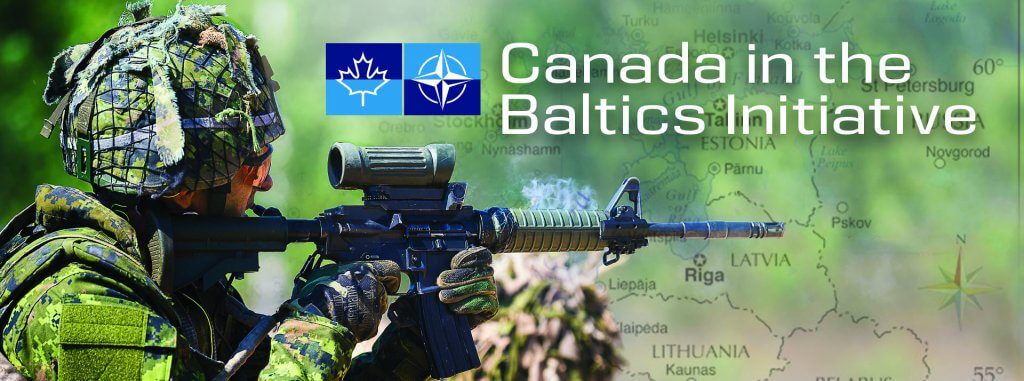
 The Kremlin today threatens the very foundations of the NATO alliance. It does so through an array of approaches that are designed to sow discord and undermine NATO – from cyber attacks and disinformation to conventional military and nuclear menacing. The Baltic countries are at the frontline of this challenge. But all countries in NATO are exposed to these increasingly aggressive moves by a revanchist Russia.
Of particular concern is its frequent use of information warfare to influence the European and North American debate about identity politics, nationalism, and multilateral organizations. Such asymmetric assaults are particularly corrosive to Western democracies, undermining our own population’s confidence in our democratic institutions.
Canada is not immune to such “active measures.” For instance, Canadian troops deployed to Latvia have been the target of crude disinformation activities. And, as Prime Minister Trudeau has revealed, Canada was also the target of Russian cyber threat activity during the 2015 federal election.
The Kremlin today threatens the very foundations of the NATO alliance. It does so through an array of approaches that are designed to sow discord and undermine NATO – from cyber attacks and disinformation to conventional military and nuclear menacing. The Baltic countries are at the frontline of this challenge. But all countries in NATO are exposed to these increasingly aggressive moves by a revanchist Russia.
Of particular concern is its frequent use of information warfare to influence the European and North American debate about identity politics, nationalism, and multilateral organizations. Such asymmetric assaults are particularly corrosive to Western democracies, undermining our own population’s confidence in our democratic institutions.
Canada is not immune to such “active measures.” For instance, Canadian troops deployed to Latvia have been the target of crude disinformation activities. And, as Prime Minister Trudeau has revealed, Canada was also the target of Russian cyber threat activity during the 2015 federal election.
 This project had the goal of creating a platform for the leading experts on such topics as Canada’s mission in Latvia, Russia’s hybrid warfare strategy and how NATO should respond, and an examination of the dangers of Russian disinformation campaigns. This project was an unqualified success, with papers that received extensive media coverage and two high-level panel events.
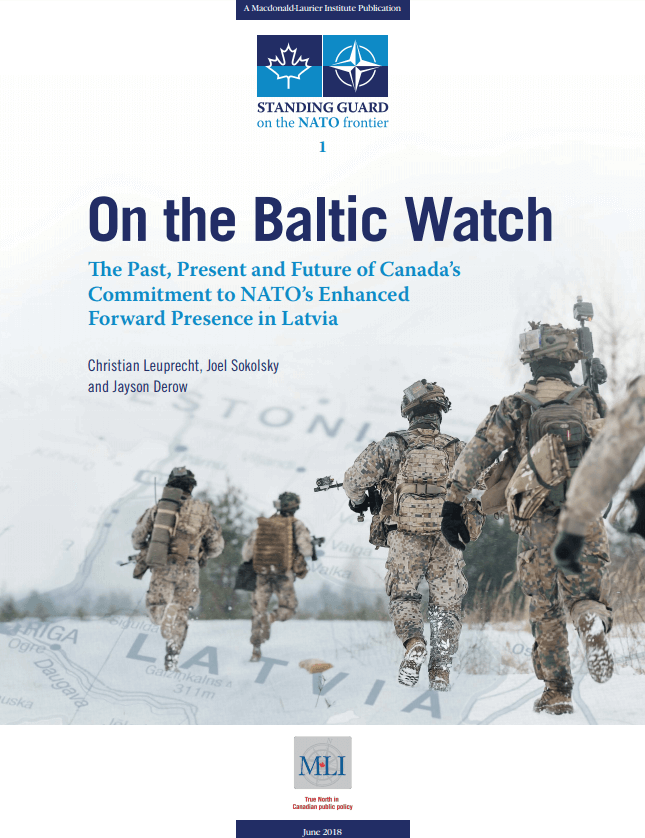
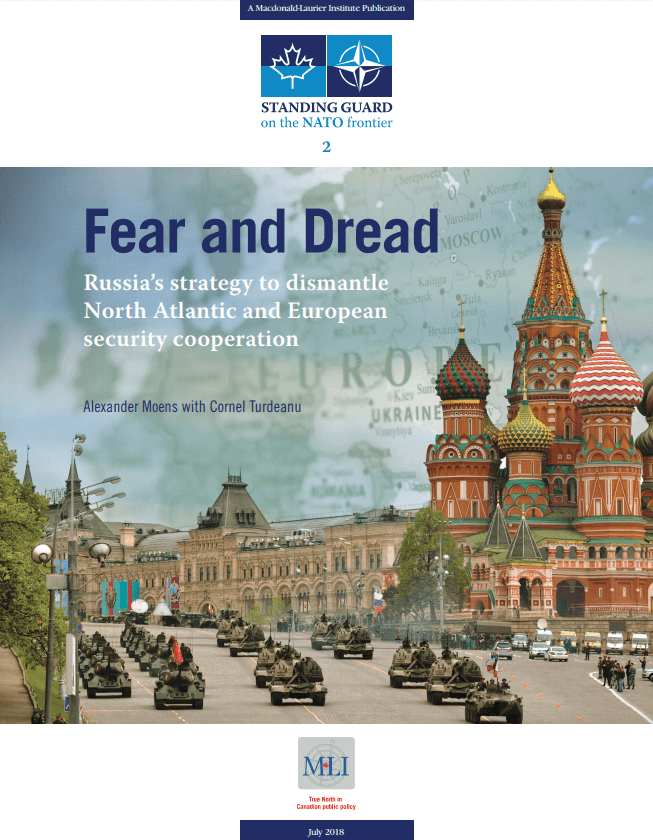
The first study emphasized the need for Canada to renew its mission in Latvia, and was authored by MLI Munk Senior Fellow Christian Leuprecht, Joel Sokolsky from the Royal Military College of Canada, and Jayson Derow from the NATO Association of Canada. The second was authored by MLI’s new Senior Fellow Alexander Moens, professor at Simon Fraser University with Cornel Turdeanu; it explored Russia’s strategy against NATO. A third paper by Senior Fellow Marcus Kolga expands this analysis to look at Russia’s disinformation campaign against the West.
The next phase of our work begins in 2019, where we will continue and expand our focus with a “Canada in the Baltics Initiative” that lays out in clear terms some of the more underappreciated elements posed by Russia’s renewed challenge to Canada and our allies.
This project had the goal of creating a platform for the leading experts on such topics as Canada’s mission in Latvia, Russia’s hybrid warfare strategy and how NATO should respond, and an examination of the dangers of Russian disinformation campaigns. This project was an unqualified success, with papers that received extensive media coverage and two high-level panel events.
The first study emphasized the need for Canada to renew its mission in Latvia, and was authored by MLI Munk Senior Fellow Christian Leuprecht, Joel Sokolsky from the Royal Military College of Canada, and Jayson Derow from the NATO Association of Canada. The second was authored by MLI’s new Senior Fellow Alexander Moens, professor at Simon Fraser University with Cornel Turdeanu; it explored Russia’s strategy against NATO. A third paper by Senior Fellow Marcus Kolga expands this analysis to look at Russia’s disinformation campaign against the West.
The next phase of our work begins in 2019, where we will continue and expand our focus with a “Canada in the Baltics Initiative” that lays out in clear terms some of the more underappreciated elements posed by Russia’s renewed challenge to Canada and our allies.

