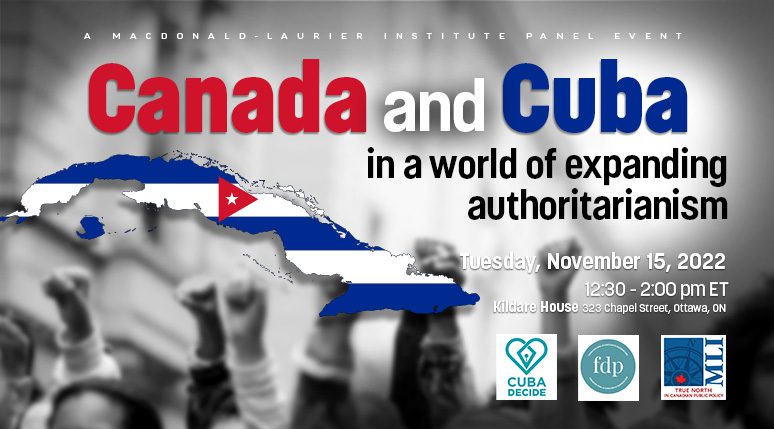
• Canada and Cuba in the context of expanding global authoritarianism

    Cuba today is experiencing a unique historical moment. For the first time in more than six decades, a new generation of young people have started to demand their rights in a public and peaceful way. This nascent culture of peaceful resistance requires international support and solidarity to be successful. The Cuban regime through its repressive […]
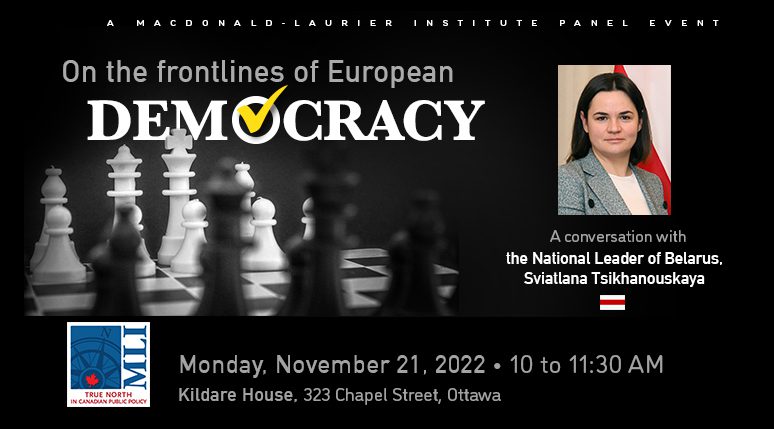
  • On the frontline of European democracy: A conversation with Sviatlana Tsikhanouskaya

    Not since the end of the Cold War has democracy in Europe been so imperilled by authoritarians. Following its corrupt and fraud-mired 2020 election, Belarus has slid further into repression. A mass protest movement of Belarusians sought to challenge the illegitimate election results, but the regime brought its brutality to bear to quash all democratic […]

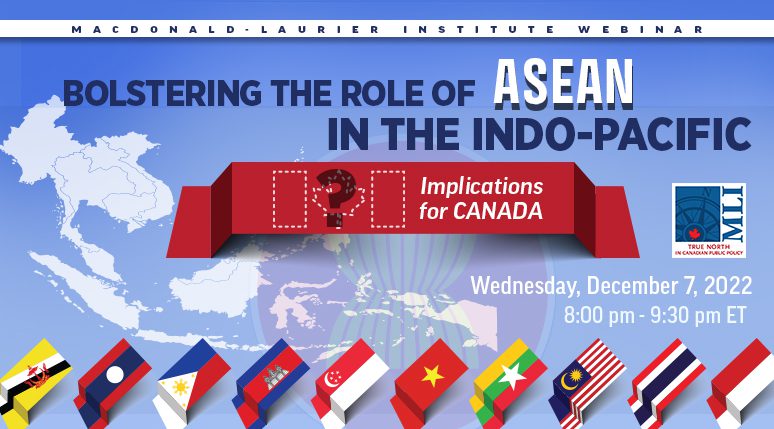
  • Bolstering the Role of ASEAN in the Indo-Pacific: Implications for Canada

     The development of the ASEAN Outlook on the Indo-Pacific (AOIP) underscores for the first time some of the organization’s shared values and norms in the context of the Indo-Pacific. AOIP is the way in which ASEAN envisions the Indo-Pacific and the guiding principles for cooperation in the Indo-Pacific region. This is not an insignificant […]

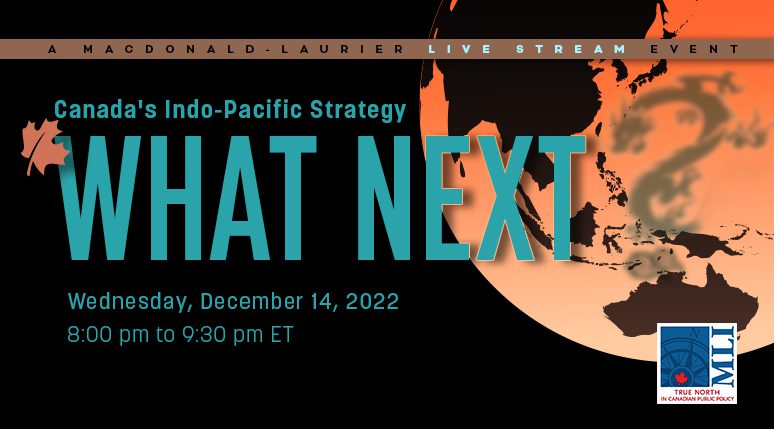
  • Canada’s Indo-Pacific strategy: What next?

    Canada released its long-awaited Indo-Pacific Strategy in late November attempting to craft out a long term vision for the region. The document referred to China as a "disruptive" actor in the region and internationally. It also indicated a need for Canada to work more closely with like-minded partners in the region. While recognition of the […]

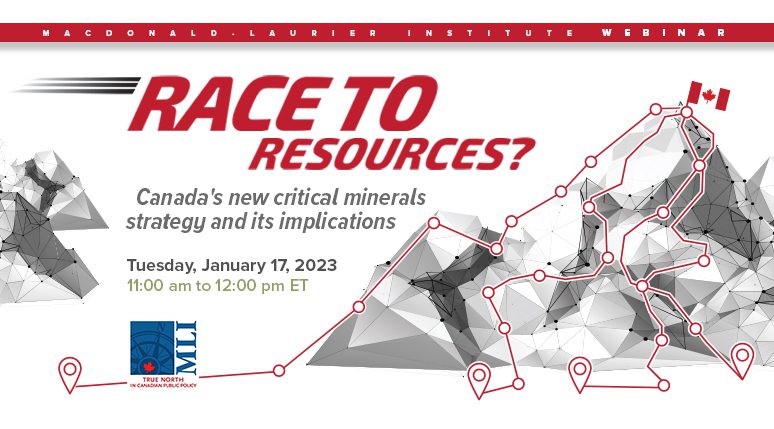
  • Race to resources? Canada’s new critical minerals strategy and its implications

    In December, Canada recently released its long-awaited critical minerals strategy. How will this new approach affect Canada’s ability to leverage these important natural resources – and how interested are our allies in working with Canada for our mutual benefit and security? Will it be enough to spark new investment and confidence in operating in Canada? […]

  • A third way for drug addiction policy in Canada

    As the opioid crisis continues to ravage much of North America, policy-makers continue to debate the best way not just to save lives, but to get lives back on track. Join us for a conversation with Stanford University's Professor Keith Humphreys, former White House Drug Policy Advisor in the Bush and Obama administrations, and Blair […]

  • The origin of COVID-19: The debate opens up

     Where did COVID-19 come from? For a long time after the outbreak of the global pandemic, even posing this question was considered controversial. But several voices have long challenged the assertion that the virus has a zoonotic (animal) origin from a natural setting – and instead argue there are strong arguments in support of […]

  • Carbon tech, carbon capture: Turning the CO2 threat into an opportunity

    Carbon emissions are causing climate changes. Figuring out ways to produce oil, gas, hydrogen, steel, petrochemicals, fertilizer and other products without releasing CO2 into the atmosphere is one of the biggest challenges of our times. A suite of technologies known as carbon capture, utilisation and sequestration, (CCUS) can contribute both to reducing emissions in hard-to-abate […]