Friday, December 5, 2025
No Result
View All Result
  • Media
Macdonald-Laurier Institute
  • Home
  • About
    • Who We Are
    • Who Makes MLI Work
    • Fifteenth Anniversary
  • Experts
    • Experts Directory
    • In Memoriam
  • Issues
    • Domestic Policy
      • Economic Policy
      • Justice
      • Rights and Freedoms
      • Assisted Suicide (MAID)
      • Health Care
      • COVID-19
      • Gender Identity
      • Canada’s Political Tradition
      • AI, Technology and Innovation
      • Media and Telecoms
      • Housing
      • Immigration
      • Agriculture and Agri-Food
      • Competition Policy
    • Energy Policy
      • Energy
      • Environment
    • Foreign Policy
      • Israel-Hamas War
      • Ukraine
      • Taiwan
      • China
      • Europe and Russia
      • Indo-Pacific
      • Middle East and North Africa
      • North America
      • Foreign Interference
      • National Defence
      • National Security
      • Foreign Affairs
    • Indigenous Affairs
  • Projects
    • CNAPS (Center for North American Prosperity and Security)
    • The Promised Land
    • Voices that Inspire: The Macdonald-Laurier Vancouver Speaker Series
    • Dragon at the door
    • Canada on top of the world
    • Letter to a minister
    • Justice Report Card
    • The Great Energy Crisis
    • DisInfoWatch.org
    • Managing Indigenous Prosperity
    • Judicial Foundations
    • Landmark Cases Council
    • Defending The Marketplace of Ideas
    • Reforming the University
    • Past Projects
      • Digital Policy & Connectivity
      • Double Trouble
      • Canada and the Indo-Pacific Initiative
      • The Transatlantic Program
      • COVID Misery Index
        • Provincial COVID Misery Index
        • Beyond Lockdown
        • COVID and after: A mandate for recovery
      • Speak for Ourselves
      • The Eavesdropping Dragon: Huawei
      • Talkin’ in the Free World with Mariam Memarsadeghi
      • An Intellectual Property Strategy for Canada
      • Munk Senior Fellows
      • A Mandate for Canada
      • Confederation Series
      • Fiscal Reform
      • The Canadian Century project
      • Fixing Canadian health care
      • Internal trade
      • From a mandate for change
      • Size of government in Canada
      • Straight Talk
      • Labour Market Report
      • Leading Economic Indicator
      • Centre for Advancing Canada’s Interests Abroad
      • Indigenous Prosperity at a Crossroads
        • Aboriginal Canada and Natural Resources
  • Events
    • Upcoming Events
    • Past Events
      • MLI Dinners
      • Great Canadian Debates
  • Latest News
  • Libraries
    • Columns
    • Commentary
    • Papers
    • Books
    • Video
  • Donate
  • Home
  • About
    • Who We Are
    • Who Makes MLI Work
    • Fifteenth Anniversary
  • Experts
    • Experts Directory
    • In Memoriam
  • Issues
    • Domestic Policy
      • Economic Policy
      • Justice
      • Rights and Freedoms
      • Assisted Suicide (MAID)
      • Health Care
      • COVID-19
      • Gender Identity
      • Canada’s Political Tradition
      • AI, Technology and Innovation
      • Media and Telecoms
      • Housing
      • Immigration
      • Agriculture and Agri-Food
      • Competition Policy
    • Energy Policy
      • Energy
      • Environment
    • Foreign Policy
      • Israel-Hamas War
      • Ukraine
      • Taiwan
      • China
      • Europe and Russia
      • Indo-Pacific
      • Middle East and North Africa
      • North America
      • Foreign Interference
      • National Defence
      • National Security
      • Foreign Affairs
    • Indigenous Affairs
  • Projects
    • CNAPS (Center for North American Prosperity and Security)
    • The Promised Land
    • Voices that Inspire: The Macdonald-Laurier Vancouver Speaker Series
    • Dragon at the door
    • Canada on top of the world
    • Letter to a minister
    • Justice Report Card
    • The Great Energy Crisis
    • DisInfoWatch.org
    • Managing Indigenous Prosperity
    • Judicial Foundations
    • Landmark Cases Council
    • Defending The Marketplace of Ideas
    • Reforming the University
    • Past Projects
      • Digital Policy & Connectivity
      • Double Trouble
      • Canada and the Indo-Pacific Initiative
      • The Transatlantic Program
      • COVID Misery Index
        • Provincial COVID Misery Index
        • Beyond Lockdown
        • COVID and after: A mandate for recovery
      • Speak for Ourselves
      • The Eavesdropping Dragon: Huawei
      • Talkin’ in the Free World with Mariam Memarsadeghi
      • An Intellectual Property Strategy for Canada
      • Munk Senior Fellows
      • A Mandate for Canada
      • Confederation Series
      • Fiscal Reform
      • The Canadian Century project
      • Fixing Canadian health care
      • Internal trade
      • From a mandate for change
      • Size of government in Canada
      • Straight Talk
      • Labour Market Report
      • Leading Economic Indicator
      • Centre for Advancing Canada’s Interests Abroad
      • Indigenous Prosperity at a Crossroads
        • Aboriginal Canada and Natural Resources
  • Events
    • Upcoming Events
    • Past Events
      • MLI Dinners
      • Great Canadian Debates
  • Latest News
  • Libraries
    • Columns
    • Commentary
    • Papers
    • Books
    • Video
  • Donate
No Result
View All Result
Macdonald-Laurier Institute

The green energy myth is condemning Africa to poverty: Brenda Shaffer in the National Post

The transition away from fossil fuels isn't happening. We might as well stop wasting resources on it.

October 24, 2025
in Energy Policy, Latest News, Columns, In the Media
Reading Time: 9 mins read
A A
The green energy myth is condemning Africa to poverty: Brenda Shaffer in the National Post

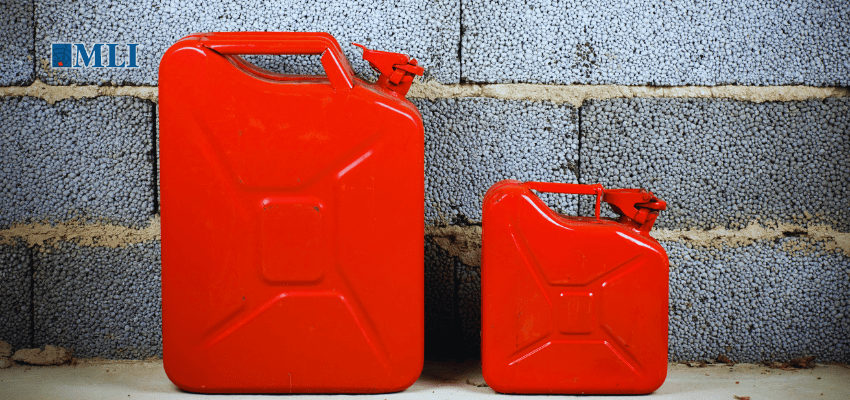
Image via Canva.

This article originally appeared in the National Post.

By Brenda Shaffer, October 24, 2025

Canada championed G7-led policies to dry up investment and public finance in fossil fuel energy around the globe. Those policies did not catalyze an energy transition, and they have ultimately hurt the poor, as a lack of investment and funding has raised energy costs for many — especially in Africa.

It is time for Canada to follow the data and recognize that a transition to renewable energy is not happening any time soon. As the chair of the G7, Canada should lead the reversal of the policy of halting finance for fossil fuel energy.

Despite the billions of dollars it receives in subsidies, renewable energy still does not command a major global market share. One of the most reliable sources of energy data, the Energy Institute, reported in its 2025 Statistical Review of World Energy that fossil fuels account for 87 per cent of global energy consumption.

That contrasts with the Energy Institute’s 2023 assessment of 81.6 per cent. The significant rise in the proportion of fossil fuels is based on growth in consumption, especially in China and India, as well as more accurate calculations of the modest energy output from today’s renewables. There is no energy transition taking place from fossil fuels to renewable energy.

Over the last several years, Canada has supported the decisions of the G7, World Bank and International Energy Agency to halt investments in fossil fuels. But since today’s renewable energy cannot meet the needs of modern economies, this was never a rational policy. The policy of sapping funding for the energy currently in use, while there is no viable alternative, never made sense.

This policy of drying up funding and investments had consequences. Underinvestment in fossil fuels over the last decade led to increases in prices of oil, coal and natural gas. These price increases triggered a recession in Germany and high inflation in Canada and the United States. Energy price increases particularly hurt the poor, since energy captures a larger part of their income than in medium and high-income households.

Acting as if an energy transition is on the way, with no factual basis, has led to the emergence of expensive and unreliable electricity even in highly developed economies like Germany and the United Kingdom. This exacerbates a national security problem, as well: China and its allies continue to consume coal and produce cheaper and more reliable electricity than most countries in the West.

But more painfully, the higher prices also pushed energy out of reach for many Africans. According to a United Nations report last year, Africa saw its first decrease in electricity access in 2022, which dropped again in 2023. The halting of investments and loans meant that Africans could not develop their local oil and natural gas resources. While in the West the private market provides investments for energy development, Africa is dependent on public finance to develop energy and to create conditions to attract foreign investors.

The World Bank, the United Nations and the International Energy Agency must stop peddling the myth that the world is in the midst of an energy transition to African countries.

Unable to access international loans and funding for fossil fuel development, sub-Saharan African nations struggle to create enough power for their citizens. Meanwhile, Africans are left only with one energy option: to burn biomass inside unventilated homes for their energy needs, a toxic process that exposes users, especially women and children who spend more time at home, to deadly smoke.

Canada must recognize that fossil fuels — especially oil and natural gas — are necessary until a genuine replacement emerges. As a funder of the World Bank, Canada must demand that the bank renew funding for fossil fuel projects, especially natural gas. Africa and the developing world need more fossil fuels to reduce poverty, not less.


Brenda Shaffer, faculty member at the U.S. Naval Postgraduate School, is a contributor to the Macdonald-Laurier Institute and to Prosperity, Not Poverty.
Source: National Post
Tags: Brenda Shaffer

Related Posts

Strengthening Taiwan’s resilience: Armchair discussion with Taiwan Deputy Minister Ming-chi Chen
Past Events

Strengthening Taiwan’s resilience: Armchair discussion with Taiwan Deputy Minister Ming-chi Chen

December 5, 2025
Iran pushing the Middle East to the brink of war: Joe Varner for National Security Journal
Middle East and North Africa

Iran pushing the Middle East to the brink of war: Joe Varner for National Security Journal

December 5, 2025
Property rights are “precarious” in Canada: Paul Warchuk and Peter Copeland for Inside Policy Talks
Domestic Policy

Property rights are “precarious” in Canada: Paul Warchuk and Peter Copeland for Inside Policy Talks

December 4, 2025
Next Post
The umbrella term “critical minerals” is good for messaging but bad for policy: Heather Exner-Pirot

The umbrella term "critical minerals" is good for messaging but bad for policy: Heather Exner-Pirot

Newsletter Signup

  Thank you for Signing Up
  Please correct the marked field(s) below.
Email Address  *
1,true,6,Contact Email,2
First Name *
1,true,1,First Name,2
Last Name *
1,true,1,Last Name,2
*
*Required Fields

Follow us on

Macdonald-Laurier Institute

323 Chapel Street, Suite #300
Ottawa, Ontario, K1N 7Z2 Canada

613.482.8327

info@macdonaldlaurier.ca
MLI directory

Support Us

Support the Macdonald-Laurier Institute to help ensure that Canada is one of the best governed countries in the world. Click below to learn more or become a sponsor.

Support Us

  • Inside Policy Magazine
  • Annual Reports
  • Jobs
  • Privacy Policy

© 2023 Macdonald-Laurier Institute. All Rights reserved.

No Result
View All Result
  • Home
  • About
    • Who We Are
    • Who Makes MLI Work
    • Fifteenth Anniversary
  • Experts
    • Experts Directory
    • In Memoriam
  • Issues
    • Domestic Policy
      • Economic Policy
      • Justice
      • Rights and Freedoms
      • Assisted Suicide (MAID)
      • Health Care
      • COVID-19
      • Gender Identity
      • Canada’s Political Tradition
      • AI, Technology and Innovation
      • Media and Telecoms
      • Housing
      • Immigration
      • Agriculture and Agri-Food
      • Competition Policy
    • Energy Policy
      • Energy
      • Environment
    • Foreign Policy
      • Israel-Hamas War
      • Ukraine
      • Taiwan
      • China
      • Europe and Russia
      • Indo-Pacific
      • Middle East and North Africa
      • North America
      • Foreign Interference
      • National Defence
      • National Security
      • Foreign Affairs
    • Indigenous Affairs
  • Projects
    • CNAPS (Center for North American Prosperity and Security)
    • The Promised Land
    • Voices that Inspire: The Macdonald-Laurier Vancouver Speaker Series
    • Dragon at the door
    • Canada on top of the world
    • Letter to a minister
    • Justice Report Card
    • The Great Energy Crisis
    • DisInfoWatch.org
    • Managing Indigenous Prosperity
    • Judicial Foundations
    • Landmark Cases Council
    • Defending The Marketplace of Ideas
    • Reforming the University
    • Past Projects
      • Digital Policy & Connectivity
      • Double Trouble
      • Canada and the Indo-Pacific Initiative
      • The Transatlantic Program
      • COVID Misery Index
      • Speak for Ourselves
      • The Eavesdropping Dragon: Huawei
      • Talkin’ in the Free World with Mariam Memarsadeghi
      • An Intellectual Property Strategy for Canada
      • Munk Senior Fellows
      • A Mandate for Canada
      • Confederation Series
      • Fiscal Reform
      • The Canadian Century project
      • Fixing Canadian health care
      • Internal trade
      • From a mandate for change
      • Size of government in Canada
      • Straight Talk
      • Labour Market Report
      • Leading Economic Indicator
      • Centre for Advancing Canada’s Interests Abroad
      • Indigenous Prosperity at a Crossroads
  • Events
    • Upcoming Events
    • Past Events
      • MLI Dinners
      • Great Canadian Debates
  • Latest News
  • Libraries
    • Columns
    • Commentary
    • Papers
    • Books
    • Video
  • Donate

© 2023 Macdonald-Laurier Institute. All Rights reserved.