
Monday, July 20, 2026
No Result
View All Result
  • Media
Macdonald-Laurier Institute
  • Home
  • About
    • Who We Are
    • Who Makes MLI Work
    • Fifteenth Anniversary
  • Experts
    • Experts Directory
    • In Memoriam
  • Issues
    • Domestic Policy
      • Economic Policy
      • Justice
      • Rights and Freedoms
      • Assisted Suicide (MAID)
      • Health Care
      • COVID-19
      • Gender Identity
      • Canada’s Political Tradition
      • AI, Technology and Innovation
      • Media and Telecoms
      • Housing
      • Immigration
      • Agriculture and Agri-Food
      • Competition Policy
    • Energy Policy
      • Energy
      • Environment
    • Foreign Policy
      • Israel-Hamas War
      • Ukraine
      • Taiwan
      • China
      • Europe and Russia
      • Indo-Pacific
      • Middle East and North Africa
      • North America
      • Foreign Interference
      • National Defence
      • National Security
      • Foreign Affairs
    • Indigenous Affairs
  • Projects
    • CNAPS (Center for North American Prosperity and Security)
    • The Promised Land
    • Dragon at the door
    • Justice Report Card
    • DisInfoWatch.org
    • Managing Indigenous Prosperity
    • Judicial Foundations
    • Landmark Cases Council
    • Closing Canada’s Border, Policing, and Legal Gaps
    • Reforming the University
    • Digital Policy & Connectivity
    • Defending The Marketplace of Ideas
    • Letter to a minister
    • Past Projects
      • The Great Energy Crisis
      • Canada on top of the world
      • Double Trouble
      • Canada and the Indo-Pacific Initiative
      • The Transatlantic Program
      • COVID Misery Index
        • Provincial COVID Misery Index
        • Beyond Lockdown
        • COVID and after: A mandate for recovery
      • Speak for Ourselves
      • The Eavesdropping Dragon: Huawei
      • Talkin’ in the Free World with Mariam Memarsadeghi
      • An Intellectual Property Strategy for Canada
      • Munk Senior Fellows
      • A Mandate for Canada
      • Confederation Series
      • Fiscal Reform
      • The Canadian Century project
      • Fixing Canadian health care
      • Internal trade
      • From a mandate for change
      • Size of government in Canada
      • Straight Talk
      • Labour Market Report
      • Leading Economic Indicator
      • Centre for Advancing Canada’s Interests Abroad
      • Indigenous Prosperity at a Crossroads
        • Aboriginal Canada and Natural Resources
  • Events
    • Voices that Inspire: The Macdonald-Laurier Vancouver Speaker Series
    • Upcoming Events
    • Past Events
      • MLI Dinners
      • Great Canadian Debates
  • Latest News
  • Libraries
    • Columns
    • Commentary
    • Papers
    • Books
    • Video
  • Donate
  • Home
  • About
    • Who We Are
    • Who Makes MLI Work
    • Fifteenth Anniversary
  • Experts
    • Experts Directory
    • In Memoriam
  • Issues
    • Domestic Policy
      • Economic Policy
      • Justice
      • Rights and Freedoms
      • Assisted Suicide (MAID)
      • Health Care
      • COVID-19
      • Gender Identity
      • Canada’s Political Tradition
      • AI, Technology and Innovation
      • Media and Telecoms
      • Housing
      • Immigration
      • Agriculture and Agri-Food
      • Competition Policy
    • Energy Policy
      • Energy
      • Environment
    • Foreign Policy
      • Israel-Hamas War
      • Ukraine
      • Taiwan
      • China
      • Europe and Russia
      • Indo-Pacific
      • Middle East and North Africa
      • North America
      • Foreign Interference
      • National Defence
      • National Security
      • Foreign Affairs
    • Indigenous Affairs
  • Projects
    • CNAPS (Center for North American Prosperity and Security)
    • The Promised Land
    • Dragon at the door
    • Justice Report Card
    • DisInfoWatch.org
    • Managing Indigenous Prosperity
    • Judicial Foundations
    • Landmark Cases Council
    • Closing Canada’s Border, Policing, and Legal Gaps
    • Reforming the University
    • Digital Policy & Connectivity
    • Defending The Marketplace of Ideas
    • Letter to a minister
    • Past Projects
      • The Great Energy Crisis
      • Canada on top of the world
      • Double Trouble
      • Canada and the Indo-Pacific Initiative
      • The Transatlantic Program
      • COVID Misery Index
        • Provincial COVID Misery Index
        • Beyond Lockdown
        • COVID and after: A mandate for recovery
      • Speak for Ourselves
      • The Eavesdropping Dragon: Huawei
      • Talkin’ in the Free World with Mariam Memarsadeghi
      • An Intellectual Property Strategy for Canada
      • Munk Senior Fellows
      • A Mandate for Canada
      • Confederation Series
      • Fiscal Reform
      • The Canadian Century project
      • Fixing Canadian health care
      • Internal trade
      • From a mandate for change
      • Size of government in Canada
      • Straight Talk
      • Labour Market Report
      • Leading Economic Indicator
      • Centre for Advancing Canada’s Interests Abroad
      • Indigenous Prosperity at a Crossroads
        • Aboriginal Canada and Natural Resources
  • Events
    • Voices that Inspire: The Macdonald-Laurier Vancouver Speaker Series
    • Upcoming Events
    • Past Events
      • MLI Dinners
      • Great Canadian Debates
  • Latest News
  • Libraries
    • Columns
    • Commentary
    • Papers
    • Books
    • Video
  • Donate
No Result
View All Result
Macdonald-Laurier Institute

Carney will squander Canada’s middle power advantage by allying with China: Raquel Garbers in the National Post

Canada and its allies need to insulate themselves from great power rivalries but should clearly side with the U.S., not its adversaries.

July 20, 2026
in Foreign Affairs, Latest News, Columns, China: The dragon at the door, Foreign Policy, In the Media, Indo-Pacific, Raquel Garbers
Reading Time: 4 mins read
A A
Carney will squander Canada’s middle power advantage by allying with China: Raquel Garbers in the National Post

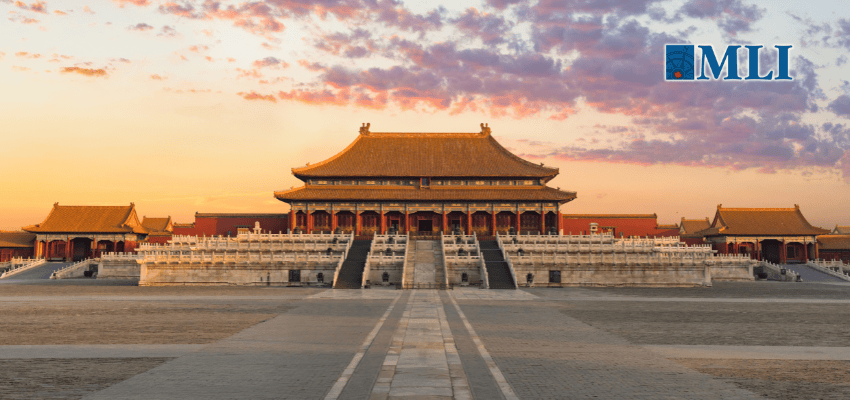
Image via Canva.

This article originally appeared in the National Post.

By Raquel Garbers, July 20, 2026

In his spring 2026 address at Davos, Prime Minister Mark Carney told world leaders that the post-Cold War order had collapsed, leaving states across the globe scrambling to defend their interests in a more dangerous world.

His advice was simple. Middle powers, he said, should band together to defend themselves against the great powers and build a new global order. Left unsaid at Davos and in the speeches that followed was the inconvenient truth that maximizing middle power influence instead demands staying anchored inside the U.S. orbit.

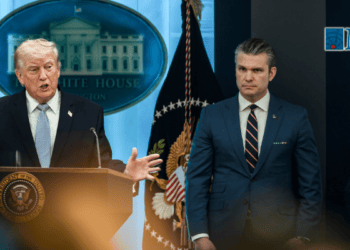
A key Pentagon official has now put voice to this reality. In a series of July 14 posts on X, U.S. Under Secretary of War Elbridge Colby said the idea of a middle-powers coalition is “based on a faulty understanding of international relations” and that these countries “don’t have a coherent basis for alignment.”

Colby is correct. The messy truth is that middle powers have little influence absent great power patronage. They face economic and military exposure to the great powers, bespoke (if not conflicting) national interests, geographic distance from one another and vulnerability to great power punishments. This means that few will succeed at insulating themselves from great power politics.

The fantasy future where middle powers call their own shots is rooted in the failure to understand that the outsized influence they wielded in the last global order was not the natural state of international affairs. It was the result of their privileged place inside the U.S. orbit at a highly unique moment in history. As one of two superpowers at the end of the Second World War and soon enough basking in overwhelming power at the end of the Cold War, the United States championed a new form of global hegemony — an international rules-based order that mediated tensions between states and sheltered lesser powers by constraining stronger ones. It was that order — and the American hegemony that underpinned it — that allowed middle powers to exercise more influence than their objective power warranted.

The world has now changed, with hostile states on the rise and the United States laser-focused on holding them in check. The rules-based order is collapsing on cue, taking down with it the middle powers’ golden era.

Having failed to understand that the rules-based order was a passing historical moment, the middle powers made fateful errors when they allowed their militaries to atrophy and ensnared themselves in Beijing’s economic traps. The truth they must now face is that they are wholly unprepared for the return of politics as usual.

The middle powers are now deeply dependent on the United States to protect them, and the imperative of keeping the U.S. onside requires that their national strategies rest on three key pillars: not being burdens, making themselves useful and not playing footsie with America’s adversaries. This same strategic logic applies to their bilateral relations: each must calibrate its relationships with the others in ways that first and foremost protect its relationship with the U.S.

With power politics back in play, the middle powers’ best strategic play is to maximize their influence and protect against U.S. overreach by joining forces in coalitions of the capable. These coalitions’ must-do lists are short and sharp: advance the strategic objectives they share with the United States, build the military capabilities they need at the alliance level and lessen their vulnerability to adversaries — in particular, China and Russia.

Ensuring that the coalitions succeed where yesterday’s multilateralism failed starts with casting off mindsets that privilege luxury preoccupations over concrete impacts. The coalitions must be flexible in their membership, focused in their mission, fast in their execution and fierce in their power. This is not to suggest that there is no place for values in coalitions of the capable. Values distinguish the allies from the adversaries, and the greatest value of all ought to be defending the allies’ way of life against hostile authoritarian states.

In Canada’s case, the prime minister seems to understand much of the strategic logic behind the need for coalitions of the capable. Chief among the tells is his commitment to building military capabilities (don’t be a burden) and his post-Davos declaration that Canada’s diversification efforts in trade and defence will “help make America great again” (do be useful).
Given Canada’s new strategic partnership with China, it is much less clear whether it will act on the third pillar of the strategic logic: don’t be a liability by playing footsie with adversaries. Insofar as that partnership has already damaged Canada by giving the U.S. reason to take a harsher stance in bilateral trade negotiations, striking a coalition of the capable focused on arresting Beijing’s decades-long economic attacks on the West would seem like a good place to start.

Should Canada instead deepen its ties with China, the consequences will be sharp and highly predictable. Canada will be exposed to worsening aggression by Beijing, abandoned by allies that understand they must prioritize relations with the U.S. and subjected to American actions to counter the threat north of their border.

In the world as it actually is, Canada must back away from its entanglements with Beijing to keep its allies onside and secure its sovereignty inside the U.S. orbit.


Raquel Garbers is a senior fellow with the Macdonald-Laurier Institute, the Center for North American Prosperity and Security, and the Australian Strategic Policy Institute. She is a former senior official at the Department of National Defence.

Source: National Post

Related Posts

Turkey in NATO is a challenge with no easy solution: Alexander Lanoszka for Inside Policy
Europe and Russia

Turkey in NATO is a challenge with no easy solution: Alexander Lanoszka for Inside Policy

July 20, 2026
Why Canadian courts are striking down mandatory minimum sentences for some of the worst crimes imaginable: Christine Van Geyn in The Hub
Landmark Cases Council

Why Canadian courts are striking down mandatory minimum sentences for some of the worst crimes imaginable: Christine Van Geyn in The Hub

July 20, 2026
Higher incomes require faster economic growth: Philip Cross in The Financial Post
Domestic Policy

Higher incomes require faster economic growth: Philip Cross in The Financial Post

July 17, 2026
Next Post
Why Canadian courts are striking down mandatory minimum sentences for some of the worst crimes imaginable: Christine Van Geyn in The Hub

Why Canadian courts are striking down mandatory minimum sentences for some of the worst crimes imaginable: Christine Van Geyn in The Hub

Newsletter Signup

  Thank you for Signing Up
  Please correct the marked field(s) below.
Email Address  *
1,true,6,Contact Email,2
First Name *
1,true,1,First Name,2
Last Name *
1,true,1,Last Name,2
*
*Required Fields

Follow us on

Macdonald-Laurier Institute

323 Chapel Street, Suite #300
Ottawa, Ontario, K1N 7Z2 Canada

613.482.8327

info@macdonaldlaurier.ca
MLI directory

Support Us

Support the Macdonald-Laurier Institute to help ensure that Canada is one of the best governed countries in the world. Click below to learn more or become a sponsor.

Support Us

  • Inside Policy Magazine
  • Annual Reports
  • Jobs
  • Privacy Policy

© 2023 Macdonald-Laurier Institute. All Rights reserved.

This site uses cookies. By continuing to browse the site you are agreeing to our use of cookies.

Privacy Preference Center

Consent Management

Necessary

Advertising

Analytics

Other

No Result
View All Result
  • Home
  • About
    • Who We Are
    • Who Makes MLI Work
    • Fifteenth Anniversary
  • Experts
    • Experts Directory
    • In Memoriam
  • Issues
    • Domestic Policy
      • Economic Policy
      • Justice
      • Rights and Freedoms
      • Assisted Suicide (MAID)
      • Health Care
      • COVID-19
      • Gender Identity
      • Canada’s Political Tradition
      • AI, Technology and Innovation
      • Media and Telecoms
      • Housing
      • Immigration
      • Agriculture and Agri-Food
      • Competition Policy
    • Energy Policy
      • Energy
      • Environment
    • Foreign Policy
      • Israel-Hamas War
      • Ukraine
      • Taiwan
      • China
      • Europe and Russia
      • Indo-Pacific
      • Middle East and North Africa
      • North America
      • Foreign Interference
      • National Defence
      • National Security
      • Foreign Affairs
    • Indigenous Affairs
  • Projects
    • CNAPS (Center for North American Prosperity and Security)
    • The Promised Land
    • Dragon at the door
    • Justice Report Card
    • DisInfoWatch.org
    • Managing Indigenous Prosperity
    • Judicial Foundations
    • Landmark Cases Council
    • Closing Canada’s Border, Policing, and Legal Gaps
    • Reforming the University
    • Digital Policy & Connectivity
    • Defending The Marketplace of Ideas
    • Letter to a minister
    • Past Projects
      • The Great Energy Crisis
      • Canada on top of the world
      • Double Trouble
      • Canada and the Indo-Pacific Initiative
      • The Transatlantic Program
      • COVID Misery Index
      • Speak for Ourselves
      • The Eavesdropping Dragon: Huawei
      • Talkin’ in the Free World with Mariam Memarsadeghi
      • An Intellectual Property Strategy for Canada
      • Munk Senior Fellows
      • A Mandate for Canada
      • Confederation Series
      • Fiscal Reform
      • The Canadian Century project
      • Fixing Canadian health care
      • Internal trade
      • From a mandate for change
      • Size of government in Canada
      • Straight Talk
      • Labour Market Report
      • Leading Economic Indicator
      • Centre for Advancing Canada’s Interests Abroad
      • Indigenous Prosperity at a Crossroads
  • Events
    • Voices that Inspire: The Macdonald-Laurier Vancouver Speaker Series
    • Upcoming Events
    • Past Events
      • MLI Dinners
      • Great Canadian Debates
  • Latest News
  • Libraries
    • Columns
    • Commentary
    • Papers
    • Books
    • Video
  • Donate

© 2023 Macdonald-Laurier Institute. All Rights reserved.