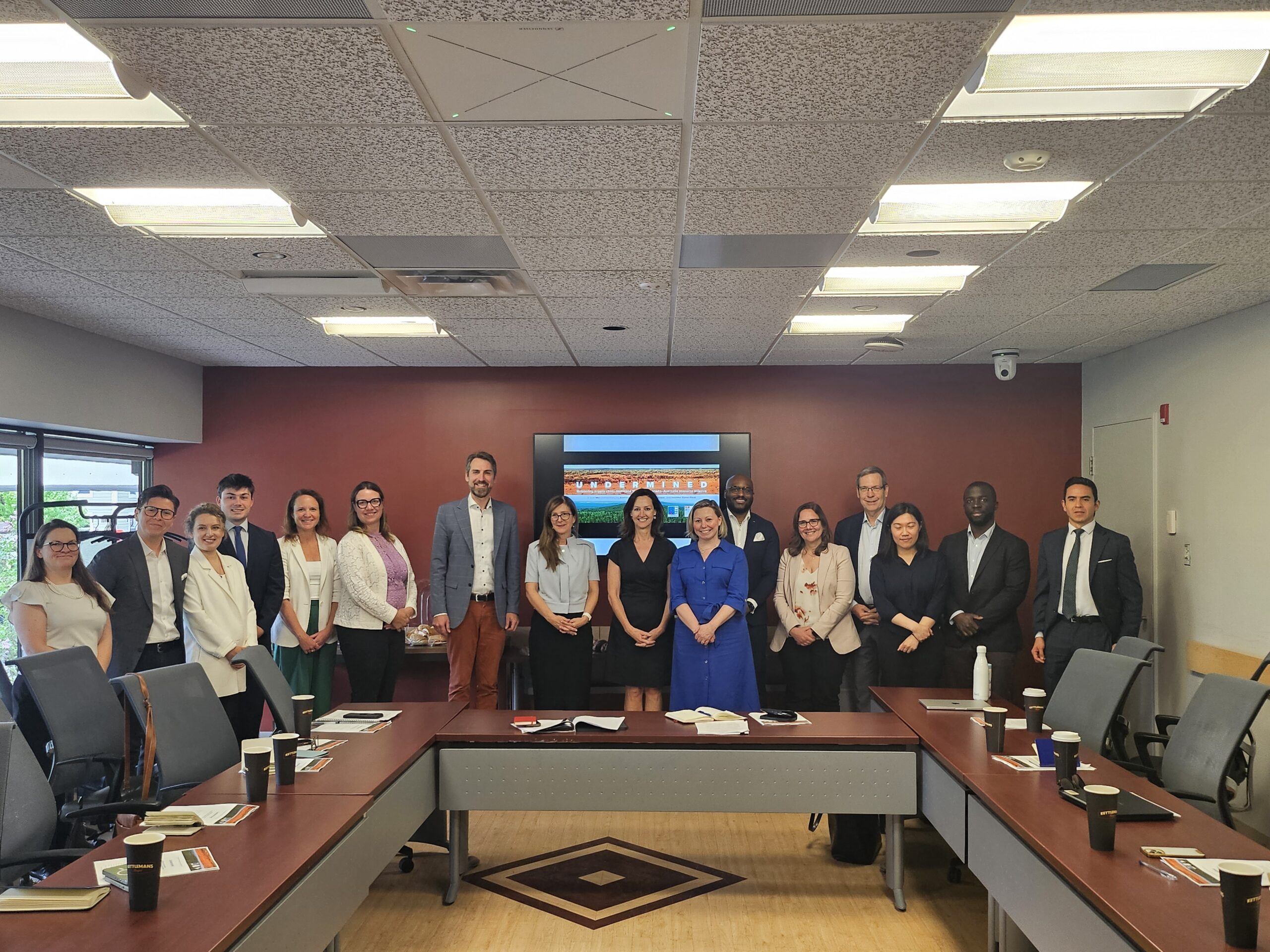
On June 4, the Macdonald-Laurier Institute co-hosted a private roundtable discussion at the University of Ottawa focused on strengthening Canada–Australia collaboration in critical minerals and resource security. The event brought together government officials, academics, industry representatives, and policy experts from both countries to examine how two like-minded middle powers can work together to address emerging geopolitical and economic challenges.
The discussion opened with remarks from Kristen Boon, Dean of the Common Law Section at the University of Ottawa, alongside Kate Logan, Australia’s High Commissioner to Canada, and Julie Sunday, Canada’s High Commissioner to Australia.
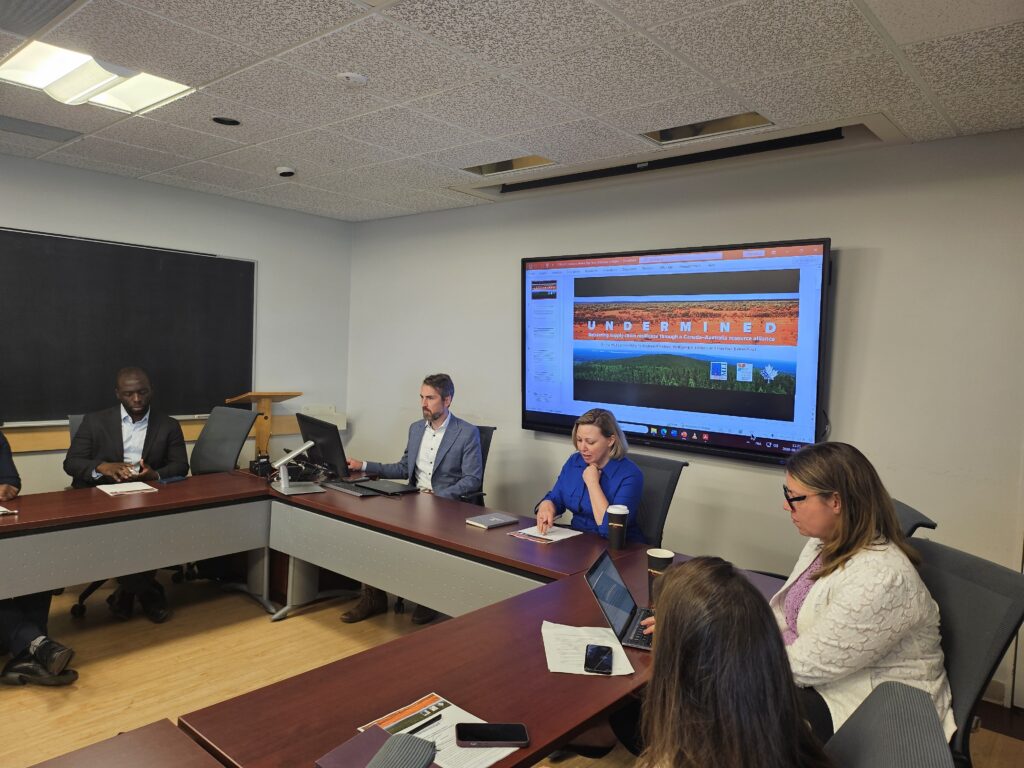
Participants emphasized that Canada and Australia are uniquely positioned to deepen cooperation given their shared histories, democratic values, resource endowments, and common strategic interests in an increasingly competitive global environment.
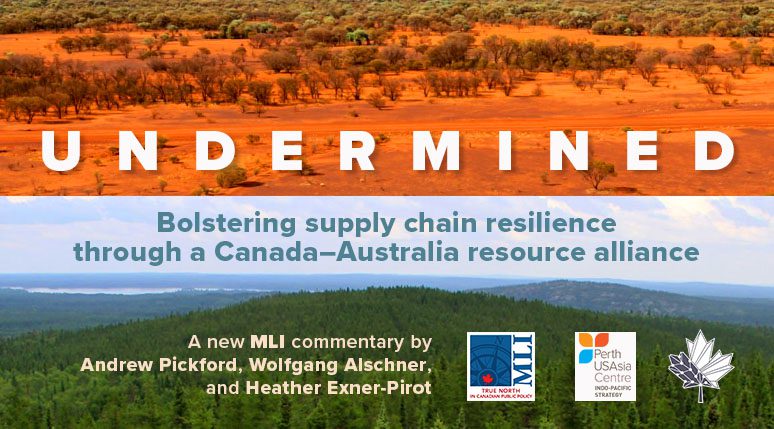
A central feature of the event was the launch of the report Undermined: Bolstering Supply Chain Resilience through a Canada-Australia Resource Alliance, authored by Andrew Pickford, Wolfgang Alschner, and Heather Exner-Pirot. The report explores how both countries can strengthen critical mineral supply chains, enhance economic resilience, and contribute to a more secure and transparent global resource marketplace.
Participants also discussed Australia’s commitment to strengthening critical mineral supply chains and examined opportunities for Canada and Australia to coordinate more closely on resource development, processing capacity, investment attraction, and supply chain security. Several participants noted that while both countries possess significant resource advantages, translating shared ambitions into lasting cooperation will require the development of a stronger legal and institutional architecture capable of supporting long-term collaboration.
The conversation also explored recent positive signals in the bilateral relationship, including Prime Minister Mark Carney’s visit to Australia, which participants viewed as an encouraging indication of political intent to deepen cooperation. Beyond federal engagement, attendees highlighted opportunities for collaboration at the provincial, territorial, and state levels, particularly in areas related to resource development, research partnerships, and industrial policy.
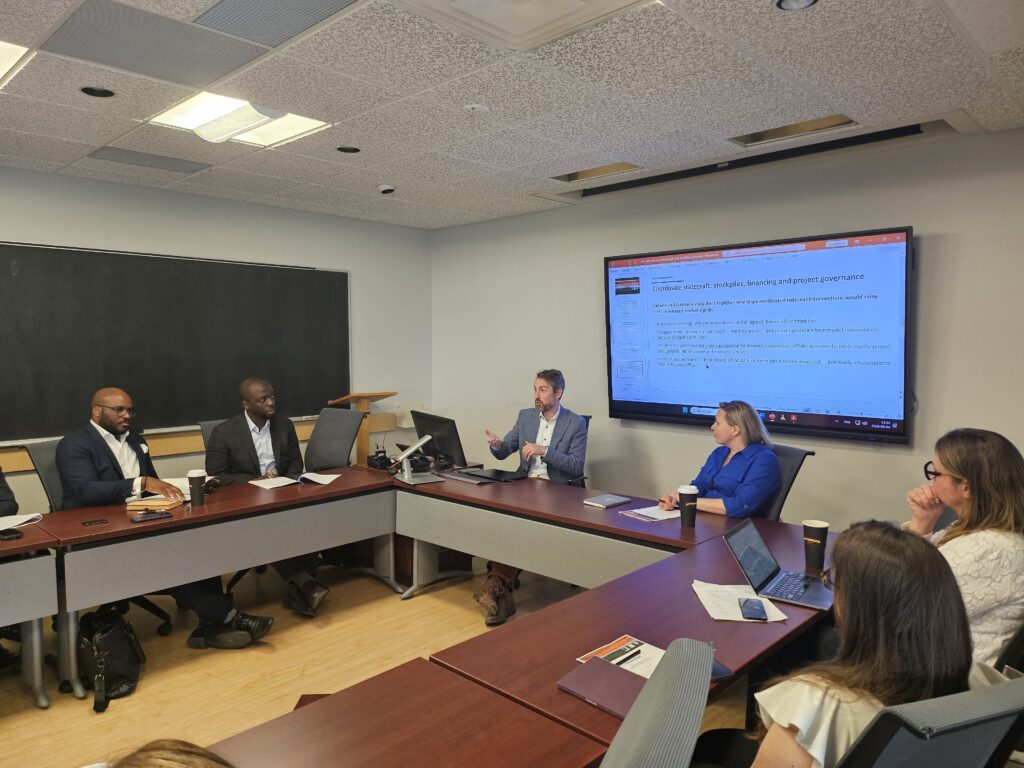
Participants further considered the broader geopolitical implications of critical minerals policy. Rather than remaining passive in the face of growing competition from authoritarian states, many argued that Canada and Australia have an opportunity to play a more proactive role in shaping global resource governance and promoting resilient supply chains among trusted partners.
The discussion concluded with reflections on the delicate balance both countries must strike in pursuing these objectives. Participants noted the importance of leveraging their strategic assets while maintaining constructive relationships with both the United States and China. The ideal outcome, many suggested, is a more transparent and diversified global marketplace for critical minerals that strengthens economic security without unnecessarily antagonizing key partners.
Read the full commentary: