By Ken Coates, May 22, 2026
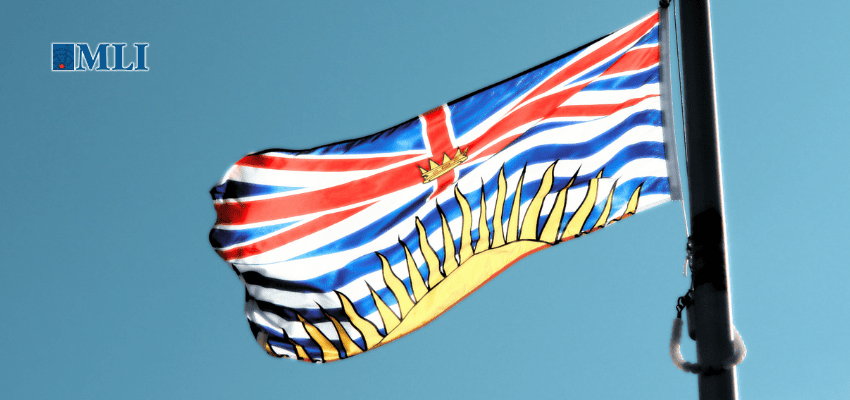
British Columbia has grabbed the nation’s attention by running off the policy rails once again. In this instance, the combination of the ill-advised Declaration on the Rights of Indigenous Peoples Act (DRIPA) and a series of unanticipated court rulings on Indigenous cases have thrown BC politics into turmoil, threatening the survival of the New Democratic Party government led by Premier David Eby. Canadians would do well to pay close attention to this unfolding political drama.
The political chaos unleashed by DRIPA is almost unprecedented in this country. For the last thirty years, critics of Indigenous rights have generally kept their thoughts to themselves. But silence did not mean acquiescence and the NDP debacle has made it acceptable to speak publicly about concern, worry, and anger about Indigenous rights. The legislation has unleashed a fire storm of protest, with a vitriolic and caustic edge that has rarely infected Canadian public discourse. Amid the intemperate comments are legitimate concerns and, more than anything, profound dissatisfaction with how the Government of British Columbia has mismanaged the issue.
The current policy debacle started when British Columbia’s legislature unanimously – and uncritically by all parties – passed DRIPA in 2019. The federal government led by Justin Trudeau followed with the equally ill-advised UNDRIP legislation passed in 2021, a vague and unfulfilling law that could best be described as a “promise to make promises” to Indigenous peoples. There was nothing wrong with the intent; Indigenous peoples deserve a sustained official commitment to reconciliation. But the execution and public outreach have been seriously deficient. In the case of British Columbia, the self-righteous BC government exhibits a fundamental distrust of the broader citizenry, seemingly forgetting that reconciliation must be between peoples and not solely between First Nations and the provincial government.

In British Columbia, hurtful worlds are accumulating, tsunami-like, threatening the hard-won legal and political achievements of First Nations over the past 50 years and sharpening divisions within the province. There is real potential that the policy and legal backwash will spread across the country. First Nations are right to expect that their legal rights will be respected and that court rulings will be embraced (and perhaps, when necessary, qualified and legally defined). The federal and provincial governments must rethink their approach, particularly to UNDRIP, hoping that the Indigenous people of Canada will continue to see greater benefit in a collaborative, made-in-Canada approach to reconciliation than the aspirational, “not-ready-for-prime time” approach reflected in UNDRIP.
This intense and uncomfortable situation calls for a time-out. Rudyard Kipling captured the importance of the remaining calm in such times in his powerful poem, “If,” writing:
If you can keep your head when all about you
Are losing theirs and blaming it on you;
If you can trust yourself when all men doubt you,
But make allowance for their doubting too;
If you can wait and not be tired by waiting,
Or, being lied about, don’t deal in lies,
Or, being hated, don’t give way to hating,
And yet don’t look too good, nor talk too wise;
British Columbians and Canadians looking for role models on how to cope with political turmoil can take their inspiration from the Indigenous people and leaders in British Columbia. With only a handful of predictable exceptions, they have kept their heads, avoiding the overheated rhetoric of One BC and the BC Conservative leadership candidates or the Alfred E. Newman-esque “What me worry?” approach of the BC government.
First Nations have endured much worse over the generations than the over-wrought and premature panic from the most severe critics of DRIPA. The reality is that Indigenous peoples people deserve prompt and appropriate attention to their legal claims and court-confirmed rights. The panic is misplaced; Indigenous expectations are much less grandiose than critics assert; British Columbia is not coming undone, although changes will be required. Where Indigenous peoples have been empowered, as they have been in the Yukon, northern Quebec, across the Maritime fishery, in the LNG sector, and in the Alberta oil patch, mutual benefits and sustained co-operation have become far more common than conflict.
British Columbians and Canadians need to get used to new realities. First Nations will regain a tiny portion of their traditional territories. They will gain a greater share of the wealth from their lands and waters. And they will finally have the resources to invest in commercial opportunities. Some First Nations, like many British Columbians, will resist resource and infrastructure projects in their area, but most will continue to engage with properly managed mining, forestry, pipelines, and LNG projects. UNDRIP and DRIPA have been handled poorly by the provincial and federal governments but this must be only a bump along the road to proper reconciliation.
Political missteps must not be allowed to derail a sincere Canadian effort to figure out how to collaborate and share national wealth with First Nations. A better Canada will emerge when the country finally figures out how to collaborate with Indigenous peoples. Right now, British Columbia’s politicians are showing how not to work fairly and co-operatively with First Nations.
Ken Coates is a distinguished fellow at the Macdonald-Laurier Institute.