Wednesday, July 22, 2026
No Result
View All Result
  • Media
Macdonald-Laurier Institute
  • Home
  • About
    • Who We Are
    • Who Makes MLI Work
    • Fifteenth Anniversary
  • Experts
    • Experts Directory
    • In Memoriam
  • Issues
    • Domestic Policy
      • Economic Policy
      • Justice
      • Rights and Freedoms
      • Assisted Suicide (MAID)
      • Health Care
      • COVID-19
      • Gender Identity
      • Canada’s Political Tradition
      • AI, Technology and Innovation
      • Media and Telecoms
      • Housing
      • Immigration
      • Agriculture and Agri-Food
      • Competition Policy
    • Energy Policy
      • Energy
      • Environment
    • Foreign Policy
      • Israel-Hamas War
      • Ukraine
      • Taiwan
      • China
      • Europe and Russia
      • Indo-Pacific
      • Middle East and North Africa
      • North America
      • Foreign Interference
      • National Defence
      • National Security
      • Foreign Affairs
    • Indigenous Affairs
  • Projects
    • CNAPS (Center for North American Prosperity and Security)
    • The Promised Land
    • Dragon at the door
    • Justice Report Card
    • DisInfoWatch.org
    • Managing Indigenous Prosperity
    • Judicial Foundations
    • Landmark Cases Council
    • Closing Canada’s Border, Policing, and Legal Gaps
    • Reforming the University
    • Digital Policy & Connectivity
    • Defending The Marketplace of Ideas
    • Letter to a minister
    • Past Projects
      • The Great Energy Crisis
      • Canada on top of the world
      • Double Trouble
      • Canada and the Indo-Pacific Initiative
      • The Transatlantic Program
      • COVID Misery Index
        • Provincial COVID Misery Index
        • Beyond Lockdown
        • COVID and after: A mandate for recovery
      • Speak for Ourselves
      • The Eavesdropping Dragon: Huawei
      • Talkin’ in the Free World with Mariam Memarsadeghi
      • An Intellectual Property Strategy for Canada
      • Munk Senior Fellows
      • A Mandate for Canada
      • Confederation Series
      • Fiscal Reform
      • The Canadian Century project
      • Fixing Canadian health care
      • Internal trade
      • From a mandate for change
      • Size of government in Canada
      • Straight Talk
      • Labour Market Report
      • Leading Economic Indicator
      • Centre for Advancing Canada’s Interests Abroad
      • Indigenous Prosperity at a Crossroads
        • Aboriginal Canada and Natural Resources
  • Events
    • Voices that Inspire: The Macdonald-Laurier Vancouver Speaker Series
    • Upcoming Events
    • Past Events
      • MLI Dinners
      • Great Canadian Debates
  • Latest News
  • Libraries
    • Columns
    • Commentary
    • Papers
    • Books
    • Video
  • Donate
  • Home
  • About
    • Who We Are
    • Who Makes MLI Work
    • Fifteenth Anniversary
  • Experts
    • Experts Directory
    • In Memoriam
  • Issues
    • Domestic Policy
      • Economic Policy
      • Justice
      • Rights and Freedoms
      • Assisted Suicide (MAID)
      • Health Care
      • COVID-19
      • Gender Identity
      • Canada’s Political Tradition
      • AI, Technology and Innovation
      • Media and Telecoms
      • Housing
      • Immigration
      • Agriculture and Agri-Food
      • Competition Policy
    • Energy Policy
      • Energy
      • Environment
    • Foreign Policy
      • Israel-Hamas War
      • Ukraine
      • Taiwan
      • China
      • Europe and Russia
      • Indo-Pacific
      • Middle East and North Africa
      • North America
      • Foreign Interference
      • National Defence
      • National Security
      • Foreign Affairs
    • Indigenous Affairs
  • Projects
    • CNAPS (Center for North American Prosperity and Security)
    • The Promised Land
    • Dragon at the door
    • Justice Report Card
    • DisInfoWatch.org
    • Managing Indigenous Prosperity
    • Judicial Foundations
    • Landmark Cases Council
    • Closing Canada’s Border, Policing, and Legal Gaps
    • Reforming the University
    • Digital Policy & Connectivity
    • Defending The Marketplace of Ideas
    • Letter to a minister
    • Past Projects
      • The Great Energy Crisis
      • Canada on top of the world
      • Double Trouble
      • Canada and the Indo-Pacific Initiative
      • The Transatlantic Program
      • COVID Misery Index
        • Provincial COVID Misery Index
        • Beyond Lockdown
        • COVID and after: A mandate for recovery
      • Speak for Ourselves
      • The Eavesdropping Dragon: Huawei
      • Talkin’ in the Free World with Mariam Memarsadeghi
      • An Intellectual Property Strategy for Canada
      • Munk Senior Fellows
      • A Mandate for Canada
      • Confederation Series
      • Fiscal Reform
      • The Canadian Century project
      • Fixing Canadian health care
      • Internal trade
      • From a mandate for change
      • Size of government in Canada
      • Straight Talk
      • Labour Market Report
      • Leading Economic Indicator
      • Centre for Advancing Canada’s Interests Abroad
      • Indigenous Prosperity at a Crossroads
        • Aboriginal Canada and Natural Resources
  • Events
    • Voices that Inspire: The Macdonald-Laurier Vancouver Speaker Series
    • Upcoming Events
    • Past Events
      • MLI Dinners
      • Great Canadian Debates
  • Latest News
  • Libraries
    • Columns
    • Commentary
    • Papers
    • Books
    • Video
  • Donate
No Result
View All Result
Macdonald-Laurier Institute

Gruesome beheading attempt in Belfast a warning against fast-track asylum processes: Michael Barutciski in the National Post

Refugee claimant was permitted entry after filling out a questionnaire and without an interview.

July 22, 2026
in Domestic Policy, Latest News, Columns, In the Media, Immigration, Michael Barutciski
Reading Time: 12 mins read
A A
Gruesome beheading attempt in Belfast a warning against fast-track asylum processes: Michael Barutciski in the National Post

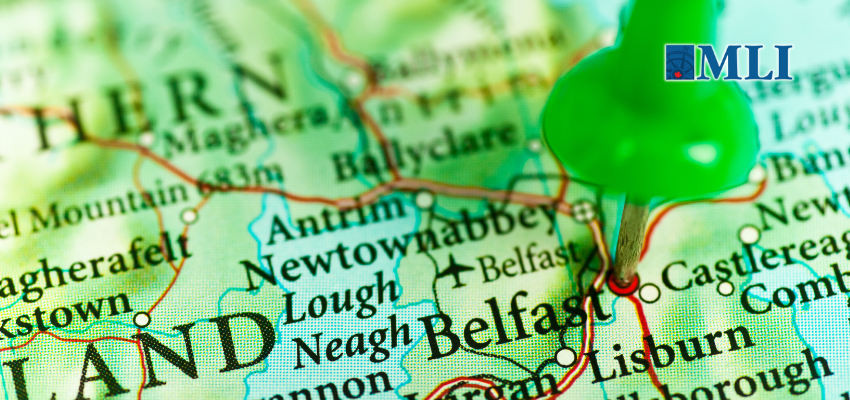
Image via Canva.

This article originally appeared in the National Post.

By Michael Barutciski, July 22, 2026

Canadians who are worried about their immigration system should be paying attention to our closest historical partners. They’ve made many of the same errors we have in allowing porous borders, and their experiences offer a warning about the problems Canada can expect if we do not correct course.

Take for example the recent tensions in the United Kingdom following a horrific “knife attack” on the streets of Belfast last month. The accused, a barely vetted migrant, appeared in court earlier in July. His case is now being sent to the Crown Court, which handles the most serious criminal offences. Hadi Alodid was recognized as a refugee through a fast-track procedure less than three years ago, although authorities have now admitted before a joint parliamentary committee that they do not even know where he is from. The political and media establishment has focused almost exclusively on the violence of protests immediately following the attack, despite the many controversial aspects.

That it was possible for an asylum seeker to travel across the Mediterranean and through several European countries to claim protection in Northern Ireland has the potential to undermine the humanitarian institution of asylum. By accelerating the normal procedure and minimizing scrutiny, British authorities have only added fuel to the flaming asylum debate. It may come as a surprise to Canadians, but the underlying dilemmas are strikingly similar to those in many western countries, including our own. We need to learn how to discuss these sensitive issues openly and respectfully.

The seemingly widespread editorial decision to use the words “knife attack” gives the appearance of an attempt to downplay the explosive situation. Anybody who has viewed the online images would reasonably be left with the impression that this was an attempt at a public beheading.

While the suspect appears to be yelling in Arabic for a man to come to him, authorities seem focused on defusing tensions. Police announced that they were in liaison with senior counter-terrorism officials, telling the press: “We have no information to suggest this was terrorist-related. However, we are still at the early stages of our investigation.”

It is difficult to tell if what appears to be an attempt at de-escalation here is helpful or counterproductive.

This is a classic example of the uncontrolled migration that has destabilized politics in Europe and North America for years. The suspect’s migration pathway involves both illegal entry and lax adjudication.

Reports initially claimed that Alodid was Somali, then Sudanese, but now police has testified before parliament committee that they’re no longer sure where he came from. According to earlier reports, it was thought he may have travelled to Paris, before making his way to Dublin and later Belfast. Legal rules normally require him to claim asylum in the first country of entry. Some reports have claimed that he flew from Paris to Dublin, but nothing, including dates when this may have happened, have been confirmed. If so, how this could’ve happened is a mystery, given that a visa is normally required.

The last segment of the journey underlines the open borders problem, as the asylum seeker was able to cross from Ireland through the uncontrolled Common Travel Area into Northern Ireland where he finally claimed asylum. This backdoor route into the U.K. is well known to those who smuggle people.

Alodid was granted refugee status less than eight months after arriving in 2023. This quick timeline, rare for any liberal democracy, was possible due to a streamlined asylum process designed to clear a large backlog. According to government sources, this fast-track application scheme allowed Alodid entry without a face-to-face interview. All he had to do was complete a questionnaire.

This is somewhat similar to the “file review” policy adopted by Canada’s Immigration and Refugee Board (IRB), which was recently criticized by The Globe and Mail’s editorial board. This expedited process does involve a background check, which could result in these individuals being found in security databases, and brief interviews with immigration officers and Canada Border Services employees still occur, but experts suggest the questioning during these interviews isn’t sufficient. They believe that in-person hearings are required to probe for inconsistencies in their application details or any connections an applicant may have to terrorist groups.

Contrary to Canada, the U.K. dropped its fast-track process on July 2. British politicians appear to now recognize it was naive to establish a hearing-free process. The Canadian Parliament, on the other hand, continues to allow the IRB to maintain its distinct approach, which the UN considers a gold standard, even though critics see it as a major pull factor which makes it attractive to asylum seekers. Legislation will be needed to limit the IRB’s independence and its tendency towards overly generous procedures.

As western countries reform the institution of asylum, the Belfast situation should warn us of the dangers when governments tolerate porous borders and allow their generosity to be abused. The unacceptable violence of extremist protesters in response to the attempted beheading should be dealt with by police and not provide cover for ignoring legitimate concerns that were left unaddressed for too long.

Moreover, we need to stop the cosmopolitan naiveté masquerading as moral superiority: it is not xenophobic to suggest that asylum seekers who have barely been vetted could represent a potential security risk. The challenge is to develop appropriate procedures that balance humane treatment with prudence in a way that reassures local populations.


Michael Barutciski is a senior fellow at the Macdonald-Laurier Institute and a professor at York University’s Glendon School of Public and International Affairs.
Source: National Post

Related Posts

Canada’s energy strategy: Jamie Tronnes on the Energy Security Cubed Podcast
Energy

Canada’s energy strategy: Jamie Tronnes on the Energy Security Cubed Podcast

July 22, 2026
Playing defence didn’t protect Canada from Trump’s latest tariffs. It’s time to move into the offensive zone: Fen Osler Hampson and Tim Sargent in The Globe and Mail
North America

Playing defence didn’t protect Canada from Trump’s latest tariffs. It’s time to move into the offensive zone: Fen Osler Hampson and Tim Sargent in The Globe and Mail

July 22, 2026
The West must confront the Muslim Brotherhood: Casey Babb for Inside Policy
The Promised Land

The West must confront the Muslim Brotherhood: Casey Babb for Inside Policy

July 21, 2026
Next Post
Canada’s energy strategy: Jamie Tronnes on the Energy Security Cubed Podcast

Canada's energy strategy: Jamie Tronnes on the Energy Security Cubed Podcast

Newsletter Signup

  Thank you for Signing Up
  Please correct the marked field(s) below.
Email Address  *
1,true,6,Contact Email,2
First Name *
1,true,1,First Name,2
Last Name *
1,true,1,Last Name,2
*
*Required Fields

Follow us on

Macdonald-Laurier Institute

323 Chapel Street, Suite #300
Ottawa, Ontario, K1N 7Z2 Canada

613.482.8327

info@macdonaldlaurier.ca
MLI directory

Support Us

Support the Macdonald-Laurier Institute to help ensure that Canada is one of the best governed countries in the world. Click below to learn more or become a sponsor.

Support Us

  • Inside Policy Magazine
  • Annual Reports
  • Jobs
  • Privacy Policy

© 2023 Macdonald-Laurier Institute. All Rights reserved.

No Result
View All Result
  • Home
  • About
    • Who We Are
    • Who Makes MLI Work
    • Fifteenth Anniversary
  • Experts
    • Experts Directory
    • In Memoriam
  • Issues
    • Domestic Policy
      • Economic Policy
      • Justice
      • Rights and Freedoms
      • Assisted Suicide (MAID)
      • Health Care
      • COVID-19
      • Gender Identity
      • Canada’s Political Tradition
      • AI, Technology and Innovation
      • Media and Telecoms
      • Housing
      • Immigration
      • Agriculture and Agri-Food
      • Competition Policy
    • Energy Policy
      • Energy
      • Environment
    • Foreign Policy
      • Israel-Hamas War
      • Ukraine
      • Taiwan
      • China
      • Europe and Russia
      • Indo-Pacific
      • Middle East and North Africa
      • North America
      • Foreign Interference
      • National Defence
      • National Security
      • Foreign Affairs
    • Indigenous Affairs
  • Projects
    • CNAPS (Center for North American Prosperity and Security)
    • The Promised Land
    • Dragon at the door
    • Justice Report Card
    • DisInfoWatch.org
    • Managing Indigenous Prosperity
    • Judicial Foundations
    • Landmark Cases Council
    • Closing Canada’s Border, Policing, and Legal Gaps
    • Reforming the University
    • Digital Policy & Connectivity
    • Defending The Marketplace of Ideas
    • Letter to a minister
    • Past Projects
      • The Great Energy Crisis
      • Canada on top of the world
      • Double Trouble
      • Canada and the Indo-Pacific Initiative
      • The Transatlantic Program
      • COVID Misery Index
      • Speak for Ourselves
      • The Eavesdropping Dragon: Huawei
      • Talkin’ in the Free World with Mariam Memarsadeghi
      • An Intellectual Property Strategy for Canada
      • Munk Senior Fellows
      • A Mandate for Canada
      • Confederation Series
      • Fiscal Reform
      • The Canadian Century project
      • Fixing Canadian health care
      • Internal trade
      • From a mandate for change
      • Size of government in Canada
      • Straight Talk
      • Labour Market Report
      • Leading Economic Indicator
      • Centre for Advancing Canada’s Interests Abroad
      • Indigenous Prosperity at a Crossroads
  • Events
    • Voices that Inspire: The Macdonald-Laurier Vancouver Speaker Series
    • Upcoming Events
    • Past Events
      • MLI Dinners
      • Great Canadian Debates
  • Latest News
  • Libraries
    • Columns
    • Commentary
    • Papers
    • Books
    • Video
  • Donate

© 2023 Macdonald-Laurier Institute. All Rights reserved.