This article originally appeared in National Review. An excerpt of the article appears below.
By Joe Varner, June 1, 2026
Much of the conversation about the risk of war in the Indo-Pacific remains fixed on a single, dramatic question of when, or whether, China will attempt an invasion of Taiwan in 2027. That focus is understandable, but it risks obscuring how major confrontations unfold. Great-power conflict rarely begins with the most obvious move. It begins with smaller tests designed to shift the balance without triggering a war. This past week, after a tense standoff with the Taiwanese coast guard, a China coast guard ship vacated the waters near Pratas Island.
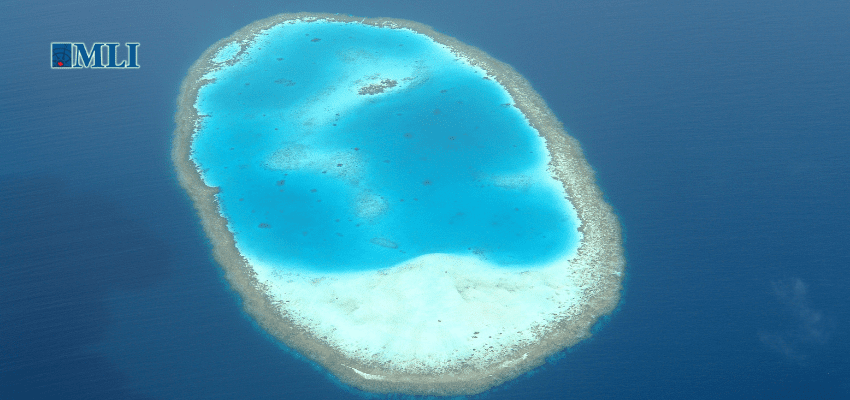
If Beijing is looking for the most efficient way to test American resolve, Pratas Island is the obvious choice. Known in Taiwan as Dongsha, Pratas is a small, isolated island of no permanent residents but about 500 Taiwanese military and coast guard personnel in the northern South China Sea, administered by Taiwan and located near the mouth of the Bashi Channel. The strategic channel is one of the primary maritime gateways that Chinese naval forces must pass through to move from coastal waters into the Western Pacific. Submarines, surface combatants, and carrier strike groups cannot operate freely beyond the first island chain without transiting this corridor. Pratas sits astride it like a gatehouse, with the Philippines anchoring the southern side of the channel. Pratas features a functional 1,500-meter runway capable of handling military and resupply aircraft; a dock and harbor installation suitable for naval, coast guard, and fishing vessels; barracks; underground bunkers; air and sea surveillance radar; and emplacements for 120mm mortars and 40mm antiaircraft guns.
***TO READ THE FULL ARTICLE, VISIT NATIONAL REVIEW HERE***
Joe Varner is a senior fellow at the Macdonald-Laurier Institute and the Center for North American Prosperity and Security in Washington, D.C.