This article originally appeared in the Financial Post. Below is an excerpt from the article.
By Ed Fast, April 15, 2026
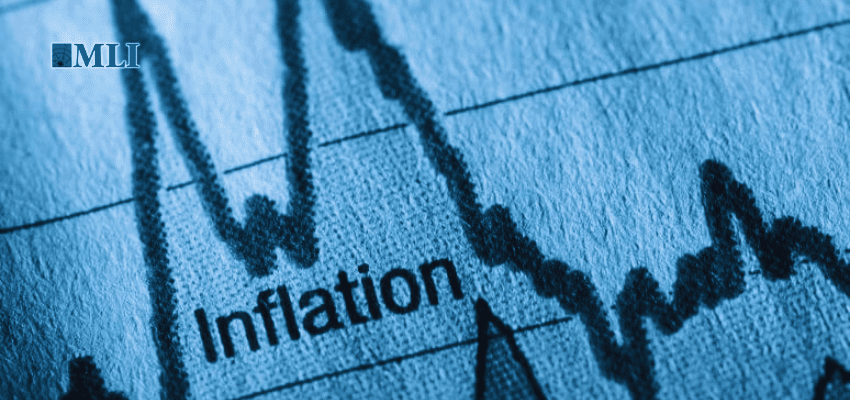
Unlike some of our allies, Canada is not involved in a hot war. But we are struggling against an adversary that strikes at every Canadian family, every senior on a fixed income and every young person dreaming of homeownership: inflation. We cannot negotiate with inflation or impose sanctions on it. But, left unchecked, it will do more damage to the social fabric of this country than any foreign foe.
Inflation is a not-so-hidden tax. Since 2022, grocery prices have risen 22 per cent — nearly double the increase in average prices. That burden does not fall equally. Many wealthier Canadians hold assets that appreciate in inflationary environments. But for families having trouble paying rent, filling the gas tank or putting food on the table, inflation is a body blow delivered month after month.
The affordability crisis gripping Canada today is not a blip. It is the still-compounding result of deliberately loose monetary policy, pandemic-era “quantitative easing” and chronically high government spending. Central banks kept interest rates near zero for far too long, flooding the economy with cheap credit. The predictable consequence was an inflationary surge that peaked at over eight per cent in 2022 — a level not seen in four decades. Although headline inflation has moderated, that simply means prices are rising more slowly from a base that is already dramatically higher than five years ago.
It’s true that headline inflation has moved back toward the Bank of Canada’s one to three per cent target. But at the grocery store and gas pump, food and fuel inflation continues to run well above that. When families can’t afford to fill their carts or tanks, the central bank hitting its target provides scant comfort. The index may be improving but their economic lives are not.
***TO READ THE FULL ARTICLE, VISIT THE FINANCIAL POST HERE***
Ed Fast, a fellow at the Macdonald-Laurier Institute, served as Canada’s minister of international trade from 2011 to 2015.